
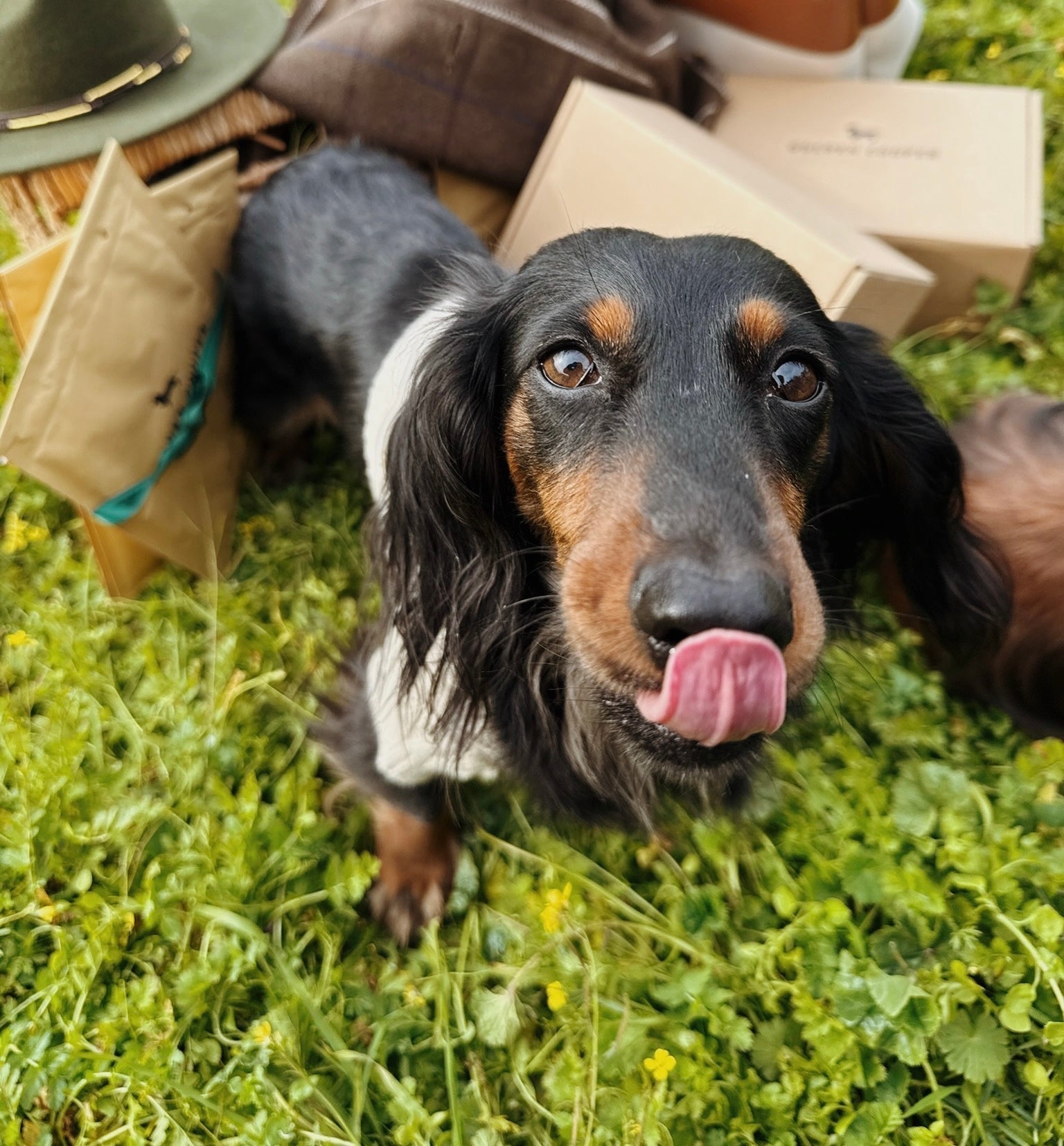
FEEDING TIPS FOR DIFFERENT BREEDS

Nutrition is one of the most important pillars for ensuring your dog's health and well-being. Nutritional needs vary depending on breed, size, age, and activity level. At Golden Cooper, we know your pet deserves the best, which is why we've created this practical guide to help you tailor their diet to their specific needs.
1. SMALL BREEDS (Example: Chihuahua, Yorkshire Terrier)
Small dogs have a fast metabolism, which means they need a diet rich in nutrients and energy in smaller portions.
Tip: Choose food specifically designed for small breeds. These usually contain smaller kibble to make chewing and digestion easier.
Frequency: Feed 3 to 4 times a day in small portions to maintain constant energy levels.
Recommended foods : Diets rich in protein and healthy fats to support your fast metabolism.

2. MEDIUM-SIZED BREEDS (Example: Cocker Spaniel, Border Collie)
These dogs have a balance between activity and metabolism.
Tip : Provide a balanced diet with protein, carbohydrates, and fats in moderate proportions.
Frequency : 2 meals a day are usually sufficient.
Special care : Adjust portions according to your dog's daily activity level. More active dogs may need more calories.

3. LARGE BREEDS (Example: Golden Retriever, German Shepherd)
Large breeds grow more slowly, but they need nutrient-rich food to develop strong bones and muscles.
Tip : Make sure your diet contains glucosamine and chondroitin to protect your joints.
Frequency : Divide your food into 2 or 3 portions a day to avoid problems such as gastric torsion.
Caution : Control your calorie intake to avoid being overweight, which can put extra stress on your joints.

4. GIANT BREEDS (Example: Great Dane, Mastiff)
Giant breeds have specific needs due to their size and predisposition to health problems.
Tip : Provide food designed for giant breeds, high in protein and low in fat to prevent weight gain.
Frequency : Feed in several small meals throughout the day to avoid gastric bloating.
Special care : Look for formulas with heart health support, as these breeds are prone to heart problems.

5. SPORTING OR HIGH-ENERGY DOGS (Example: Labrador Retriever, Vizsla)
These dogs require a diet with higher calorie and protein content to support their activity level.
Tip : Choose foods rich in quality protein (chicken, fish) and healthy fats (fish or flaxseed oil).
Frequency : Feed before and after their most intense physical activities to keep them energized.

6. DOGS WITH FOOD SENSITIVITIES
Some breeds, such as the French Bulldog or the Shih Tzu, are more prone to food allergies.
Tip : Consider hypoallergenic diets or homemade foods with limited ingredients.
Warning signs : If you notice itching, digestive problems, or hair loss, consult your veterinarian to identify possible allergies.

GENERAL RECOMMENDATIONS
Veterinary consultation : Always adjust the diet under professional supervision, especially if your dog has specific health conditions.
Hydration : Make sure your dog has constant access to fresh water.
Avoid toxic foods : Some human foods such as chocolate, the Onions or grapes are highly dangerous for dogs.
Golden Cooper cares not only about style and community, but also about the well-being of every furry member. If you're looking for accessories to complement their healthy and sophisticated lifestyle, explore our collection. Your dog deserves it!

BENEFITS OF AIRTAG COLLARS FOR YOUR DOG
HOW TO PREVENT COMMON ILLNESSES IN YOUR PET
Related Posts

How to care for your puppy according to its breed

Happy microbiota, happy dog: improve their health from the stomach.
How to strengthen your dog's joints and prevent problems from aging

Myths about dog food: what your dog really needs

Benefits you may not know about: Breathable wool sweaters and harnesses
UNDERSTAND YOUR DOG'S LANGUAGE


