UNDERSTAND YOUR DOG'S LANGUAGE
Dogs have a unique way of communicating with us and other animals. Through their body language, they can express emotions, intentions, and needs.
Understanding these signals allows us to strengthen the bond with our pets and ensure their well-being. In this article, we'll explore some of the most common signs of canine body language and their meanings.

🐾Tail Position
A dog's tail is one of the most expressive tools of its body language:
- Quick and relaxed movements : A happy and friendly dog usually moves its tail from side to side in a relaxed way.
- Tail between the legs : May indicate fear, submission, or anxiety.
- Stiff and raised tail : This is usually a sign of warning or dominance.
- Slow and tense movement : This may mean that the dog is insecure or assessing a situation.
🐾 The Ears
A dog's ears also play a crucial role in its communication.
- Ears erect and forward : They indicate attention and curiosity.
- Ears pinned back and close to the head: This is usually a sign of fear or submission.
- Ears in a neutral position: Suggests relaxation and comfort.

🐾 Facial Expression
Dogs can convey many emotions through their faces:
- Frequent yawning : This is often a sign of stress or anxiety, although it can also indicate tiredness.
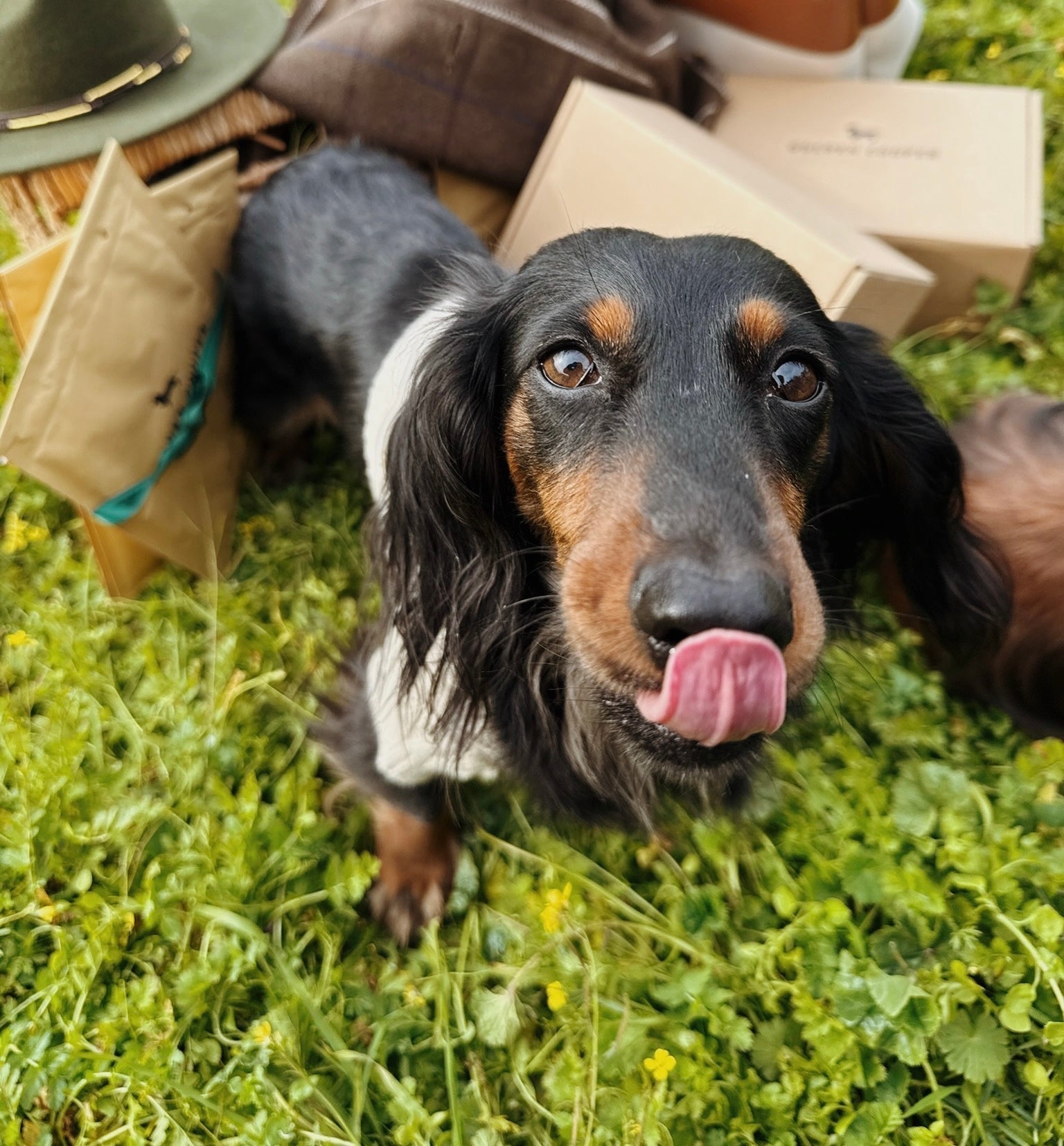
- Licking one's lips : This can be a sign of appeasement or nervousness.
- A fixed and tense gaze : This can indicate a defiant or threatening attitude.
- Slow blinking and relaxed gaze : Suggests confidence and tranquility.
🐾 Body Posture
A dog's body reflects its mood and disposition:
- Relaxed and loose body : Indicates that the dog is comfortable and happy.
- A rigid posture with weight forward : This can mean that the dog is alert or ready to act.
- Belly up : This can indicate submission, trust, or a request for affection.
- Slouching posture with head down : Generally suggests fear or insecurity.

🐾 Play and Calming Signals
Dogs use certain signals to invite others to play or to calm a situation:
- Play bow : When a dog lowers its front paws and leaves its rear end up, it is inviting you to play.
- Turning their head away or looking away : These are calming signals that dogs use to avoid conflict.
- Slow and relaxed movement : Indicates a peaceful and friendly attitude.
Understanding your dog's body language is essential for improving their well-being and strengthening your bond. By observing their movements and expressions, you can better respond to their needs and ensure they feel safe and understood. Remember that every dog is unique and their communication may vary, but with patience and attention, you'll learn to interpret their language with ease. 🐶
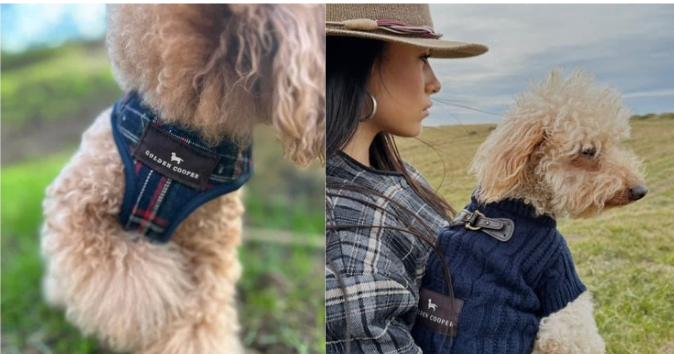
At Golden Cooper , we care about your pet's well-being. Discover our selection of premium products to give your dog the comfort and style they deserve. 🥰🤎
HOW TO PREVENT COMMON ILLNESSES IN YOUR PET
Benefits you may not know about: Breathable wool sweaters and harnesses
Related Posts

How to care for your puppy according to its breed

Happy microbiota, happy dog: improve their health from the stomach.
How to strengthen your dog's joints and prevent problems from aging
Myths about dog food: what your dog really needs
Benefits you may not know about: Breathable wool sweaters and harnesses

HOW TO PREVENT COMMON ILLNESSES IN YOUR PET