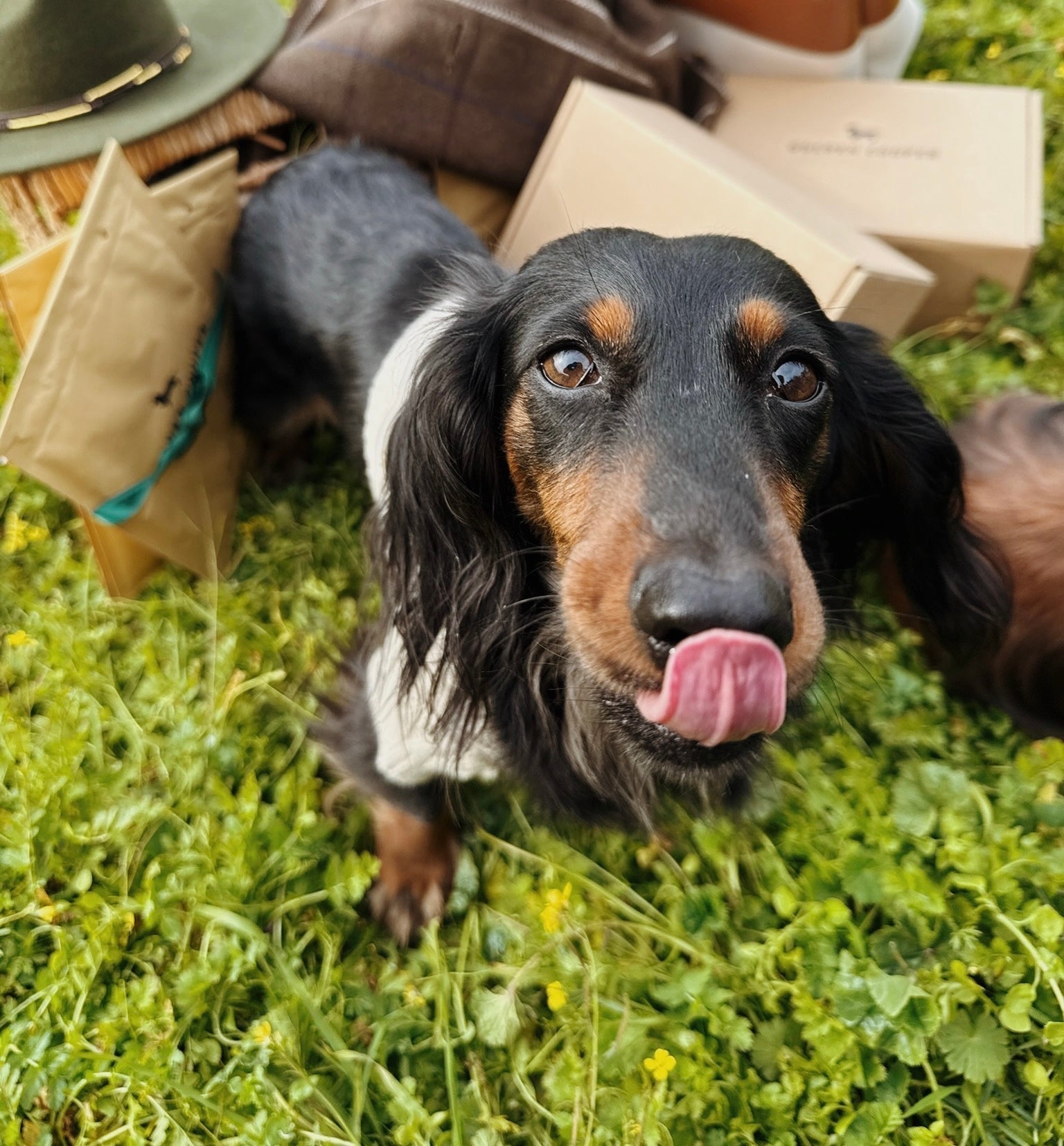
How to care for your puppy according to its breed
Raising a puppy isn't just about love and patience. Each breed has unique characteristics that require specific care. Beyond general advice, today we're sharing little-known but crucial recommendations, endorsed by veterinarians, for some of the most beloved breeds.

🐩 Poodle
Toy, miniature or standard: intelligence and demanding maintenance.
✔ Hair removal in the ear canal :
The hair inside their ears can clog the ear canal, leading to infections. Veterinarians recommend removing it with special tweezers or at a professional groomer every 3-4 weeks.
✔ Beware of oxidizing tear production :
Especially in light-colored poodles, tears can oxidize the coat. Clean the eye area daily with gauze and saline solution or special wipes.
✔ Prevent them from jumping from high places :
Especially in the toy variety, their joints are delicate. Getting on and off the sofa or bed should be avoided or done with ramps.
✔ Early mental stimulation :
Because of their high intelligence, they get bored easily. You can start scent games and basic skills activities with them at 3 months old.

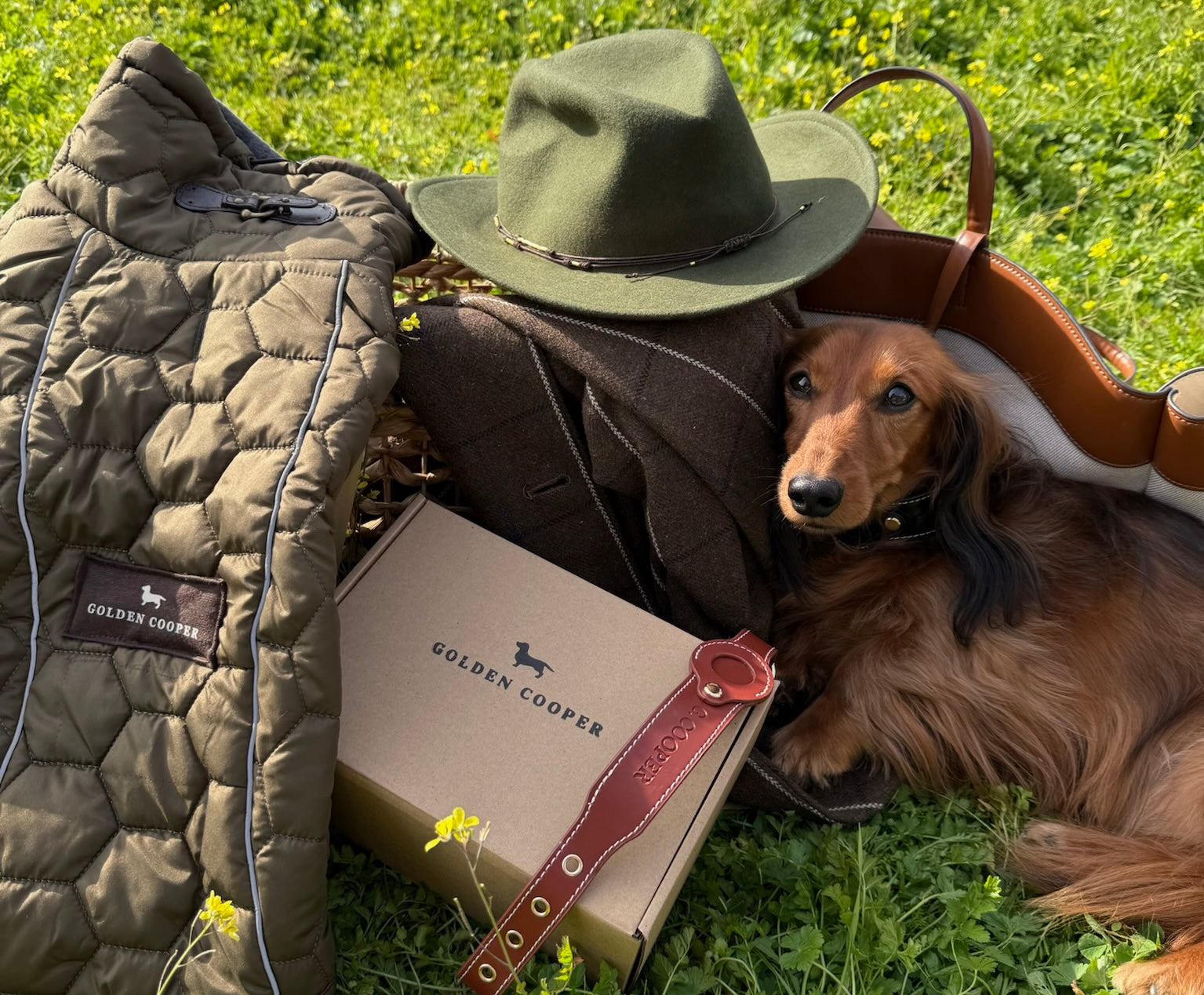
🐕 Dachshund
Brave, affectionate, and with a very delicate back.
✔ Avoid stairs and sudden jumps :
Their elongated spine makes them prone to herniated discs. Use ramps or teach them from a young age not to climb/run on stairs.
✔ Proper grip when holding them :
Always with one hand under the chest and the other on the hindquarters to protect their back. Never just by the chest.
✔ Gentle but daily exercise :
Despite their size, they need activity. Short, frequent walks help maintain their weight and muscle mass.
✔ Pay attention to body weight :
According to studies by the British Veterinary Association , being overweight in dachshunds more than doubles the risk of hernias.

🦴 Labrador Retriever
Gluttons, noble, and prone to dysplasia.
✔ Avoid slippery floors :
During growth, walking on smooth floors can aggravate hip and elbow problems. Use non-slip rugs or mats at home.
✔ Train puppies to "leave it alone" :
They tend to put everything in their mouths. Teaching them to let go of objects prevents choking and future bad behavior.
✔ Do not use chest harnesses for several months at a time :
They can alter your posture if they're not properly fitted. Alternate with padded, correctly adjusted collars.

🐶 French Bulldog
Low physical maintenance, but high medical maintenance.
✔ External parasite control all year round :
Their bodies close to the ground and their sensitive skin make them more vulnerable to fleas and mites, even in winter.
✔ Massage their paws after the walk :
They are prone to dry, sensitive paw pads. Cleanse and apply a natural balm to keep them moisturized.
✔ Avoid prolonged car journeys without direct ventilation :
Heatstroke is their biggest enemy. Always carry water and cooling blankets if you're traveling with them.

🐕 Golden Retriever
Good by nature, but they require more attention than it seems.
✔ Regular eye exams from 6 months of age :
They have a genetic predisposition to juvenile cataracts and other eye conditions. Consult a veterinary ophthalmologist if you notice cloudy eyes or constant tearing.
✔ Dry well between your toes after walks in wet areas :
They are prone to interdigital dermatitis, especially if they get wet and are not dried well.
✔ Brush the tail in a fan shape and check for hidden knots :
The fur around its tail forms a kind of "feather" that accumulates dirt. Use soft slicker brushes.

🐾 Border Collie
Highly sensitive, with a brilliant mind.
✔ Avoid shouting and harsh punishments :
They are extremely perceptive. Aggressive punishment can generate chronic anxiety or shut-down reactions.
✔ Introduce urban sounds from a young age :
Because they are bred as working dogs, some have sensitive hearing. Sound socialization (sirens, motorcycles, firecrackers) is essential in the first 12 weeks.
✔ Regular nail checks, even if you run a lot :
Despite their activity, they don't always wear down their nails evenly. Long nails affect their posture.

🐕 Shiba Inu
Independent, clean, and very "cat-like."
✔ Never force excessive handling :
Their reserved nature means that forcing physical contact can generate rejection or even defensive aggression.
✔ Train brushing as if it were a game :
They shed heavily twice a year. Get them used to it from puppyhood with treats and patience.
✔ Beware of standard back harnesses :
Many Shibas can easily escape. Use a properly fitted, escape-proof harness.

🐾 Chihuahua
Small in size, huge in personality.
✔ Avoid drafts and sudden temperature changes :
They are very sensitive to the cold. Use light clothing in winter, especially for short-haired puppies.
✔ Beware of falls and crushing injuries :
Their size makes them vulnerable. Monitor the surroundings and warn children and visitors.
✔ Early socialization :
They tend to develop fear if they aren't exposed to other dogs and people from a young age. Carrying them in your arms to busy places also helps.
✔ Monitor the closure of the fontanelles :
Some are born with an open fontanelle, like babies. The veterinarian should check it at every checkup.

🐶 Beagle
Curious, sociable, and with an inexhaustible sense of smell.
✔ Always walk on a leash :
Because of their tracking instinct, they can flee following a scent. From puppyhood, teach them to come when called.
✔ Daily olfactory stimulation :
Scent games or hiding treats at home channel their mental energy and prevent anxiety.
✔ Regular ear check :
Because they are closed and prone to infection, they need to be cleaned weekly with specific products.
✔ Avoid overfeeding :
His appetite is very high. Divide his daily ration into several meals and avoid always rewarding him with food.

🐕 Cocker Spaniel
Sweet, cheerful, and with ears that require constant care.
✔ Clean and dry their ears after each walk or bath :
Especially if they play in water or muddy areas. Ear infections are very common.
✔ Brush its coat every 2-3 days :
Its coat is long and fine, and it mats easily. Use leave-in conditioners if needed.
✔ Emotional control from puppy :
They tend to be sensitive to loneliness. Avoid leaving them alone for long periods to prevent separation anxiety.

🐕 German Shepherd
Loyal, intelligent, and with a great capacity for work.
✔ Do not overload your joints before the age of one :
Excessive exercise can affect the development of your hips and elbows. Alternate physical activity with mental exercises.
✔ Early hip check (from 6 months) :
Because this breed is prone to dysplasia, veterinarians recommend taking preventative x-rays if there are any suspicions.
✔ Frequent brushing :
They have a double layer and shed year-round. A good "rake" type brush helps keep their skin healthy.

🐶 Yorkshire Terrier
Elegant, lively and with a coat that requires demanding care.
✔ Dental hygiene from 3 months :
They are prone to tartar and periodontal disease. Use small brushes and toothpaste specifically formulated for dogs.
✔ Avoid overprotection :
Although they are small, they need to socialize and explore like any other puppy. Don't treat them as if they are overly fragile.
✔ Daily eye care :
Hairs near your eyes can cause irritation. Use hair ties or trim your bangs if you don't have long hair.

🦊 Pomeranian
Small, cheerful and with a spectacular coat that requires dedication.
✔ Daily brushing from puppyhood :
They have a very dense double coat of fur that tangles easily. Get them used to it from a young age with short, gentle sessions.
✔ Rigorous dental hygiene :
This breed is especially prone to tartar buildup and premature tooth loss. Daily brushing is essential from 3-4 months of age.
✔ Avoid using collars when pulling :
They have very sensitive tracheas. Always use a chest harness and never pull on their neck.
✔ Supervise contact with other large dogs :
Due to their size, they can easily injure themselves while playing with larger breeds. Socialization is important, but it must be supervised.
✔ Beware of heatstroke :
Although they have fur, they are small and can quickly suffer from overheating. Avoid walks during the hottest hours of the day and always keep fresh water nearby.

🐕🔥 Hungarian Shorthaired Pointer (Vizsla)
Elegant, noble, and with an energy that needs constant channeling.
✔ Structured exercise from 4-5 months :
Avoid strenuous running or jumping early on, but start with brisk walks and fetch games. They are naturally athletic dogs.
✔ Highly sensitive to handling :
They are very emotionally dependent and pick up on their caregivers' moods. Train them with positive reinforcement and patience.
✔ Daily mental routines :
They enjoy mental work (obedience, scent work, agility). Without stimulation, they may develop anxiety or destructive behaviors.
✔ Sensitive skin without underhair :
Its short coat requires minimal care, but it's sensitive to chafing, bites, and cold. Wear light coats in winter and sun protection on exposed areas if it's very sunny.
✔ Beware of boredom :
According to ethological studies, this breed is known for its strong attachment to humans. They should not be left alone for many hours a day.
Related Posts

Happy microbiota, happy dog: improve their health from the stomach.
How to strengthen your dog's joints and prevent problems from aging
Myths about dog food: what your dog really needs
Benefits you may not know about: Breathable wool sweaters and harnesses
UNDERSTAND YOUR DOG'S LANGUAGE

HOW TO PREVENT COMMON ILLNESSES IN YOUR PET